2026
10 hand-guided scans
C-prints in bio-based resin, 29,5 x 47 x 2 cm
The ongoing image series BODIES IN MOTION by Stefan Mildenberger visualizes wave-like movements of bodies during sexual intercourse. The images were created through an experimental, hand-guided scanning process: While the online video compilation 10 Sex Scenes from Real Movies! A Passionate Collection played on a flat screen, Mildenberger manually scanned the screen surface using a handheld scanner.
The movement of the scanner combined with the dynamics of the depicted bodies produces abstract, wave-like distortions in which the original gender assignments of the performers begin to blur. The explicit film scenes are thus removed from their narrative and pornographic directness and transformed into ambiguous, visually poetic forms. Bodies become waves, movement becomes structure.
A technical side effect of the scanning process—colorful vertical artifacts—adds an additional aesthetic layer to the images. Formally reminiscent of Gerhard Richter’s Strips and Glass works, these artifacts simultaneously point to the fragility of digital image reproduction and the materiality of the medium itself.
The resulting image files were transferred onto light-sensitive photographic paper, placed into a custom-made silicone mold of the scanned flatscreen, and cast in UV-resistant bio-based epoxy resin.
In BODIES IN MOTION, intimacy and technology, desire and formal dissolution merge into a study of body perception, media aesthetics, and the potential of abstraction.
BODIES IN MOTION
10 handgeführte Scans
C-Prints in Bio-Based Epoxydharz, 29,5 x 47 x 2 cm
Die fortlaufende Bildserie BODIES IN MOTION von Stefan Mildenberger visualisiert wellenförmige Bewegungen von Körpern während des Geschlechtsverkehrs. Die Aufnahmen entstanden durch einen experimentellen, handgeführten Scanprozess: Während auf einem Flatscreen die Online-Video-Compilation „10 Sexszenen aus echten Filmen! Leidenschaftliche Zusammenstellung“ lief, scannte Mildenberger die Bildfläche manuell mit einem Handscanner ab.
Durch die Bewegung des Scanners im Zusammenspiel mit der Dynamik der dargestellten Körper entstehen abstrakte, wellenartige Verzerrungen, in denen die ursprünglichen Geschlechterzuweisungen der Akteur*innen verschwimmen. Die expliziten Filmszenen werden so aus ihrer narrativen und pornografischen Direktheit gelöst und in ambivalente, visuell poetische Formen überführt. Körper werden zu Linien, Bewegung wird zu Struktur.
Ein technischer Nebeneffekt des Scanprozesses – bunte, vertikale Artefakte – verleiht den Bildern eine zusätzliche ästhetische Ebene. Diese erinnern formal an Gerhard Richters Werk Streifen & Glas und verweisen zugleich auf die Fragilität digitaler Bildwiedergabe und die Materialität des Mediums selbst.
Die daraus resultierenden Bilddateien wurden auf lichtempfindliches Fotopapier übertragen, in eine eigens angefertigte Silikonform des eingescannten Tablets gelegt und mit UV-beständigem Epoxidharz ausgegossen.
In BODIES IN MOTION verschmelzen Intimität und Technologie, Lust und Formauflösung zu einer Studie über Körperwahrnehmung, Medienästhetik und das Potenzial der Abstraktion.
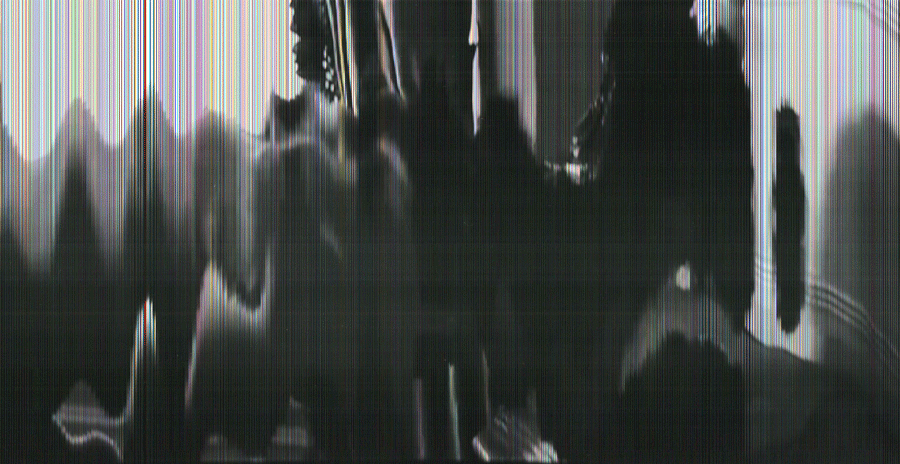
BODIES IN MOTION #01 (9 SONGS)
2026, hand-guided scan
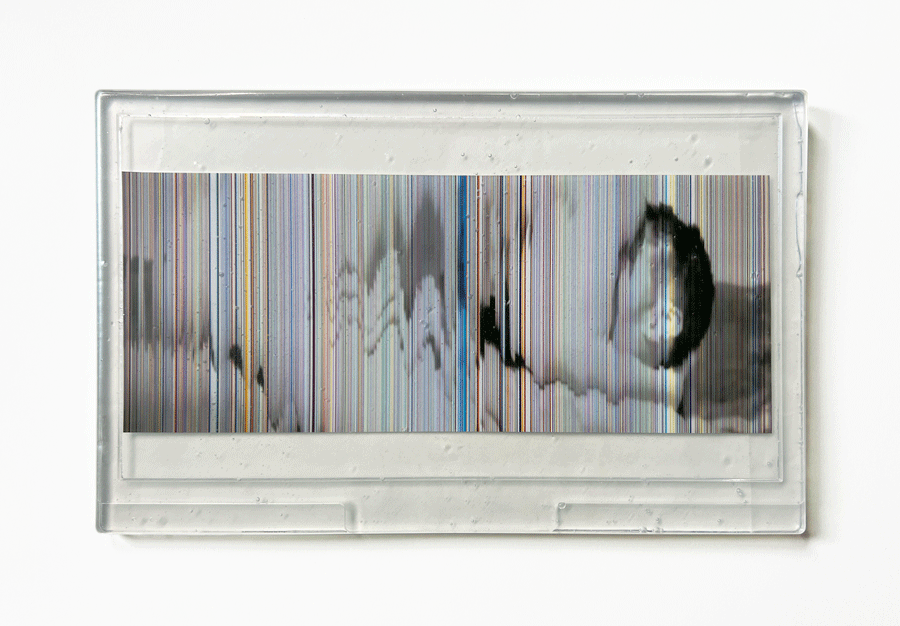
BODIES IN MOTION #02 (DIET OF SEX)
2026, C-print in bio-based resin, 29,5 x 47 x 2 cm
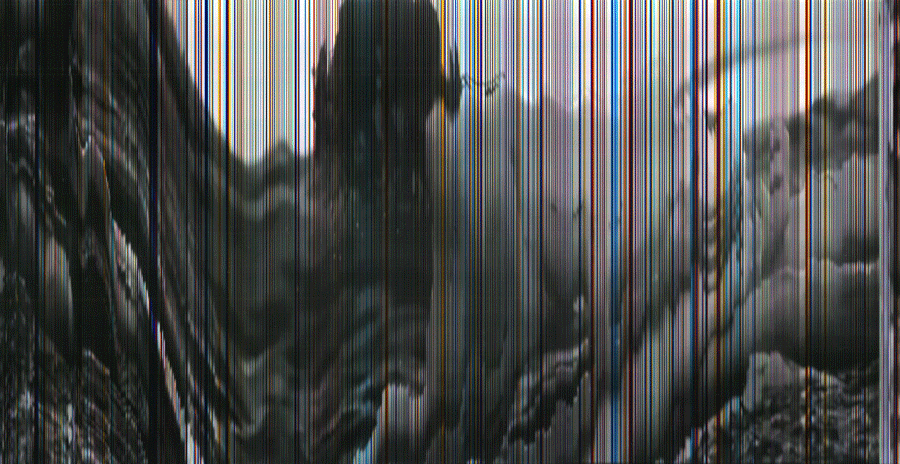
BODIES IN MOTION #03 (SARIMA MARINA BOREALIS)
2026, hand-guided scan
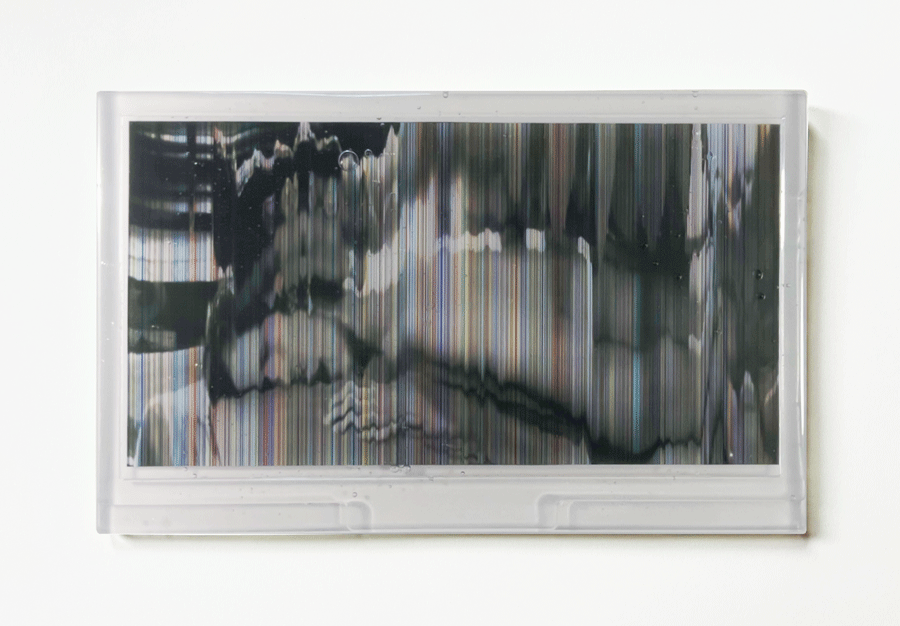
BODIES IN MOTION #04 (ROMANCE)
2026, C-print in bio-based resin, 29,5 x 47 x 2 cm
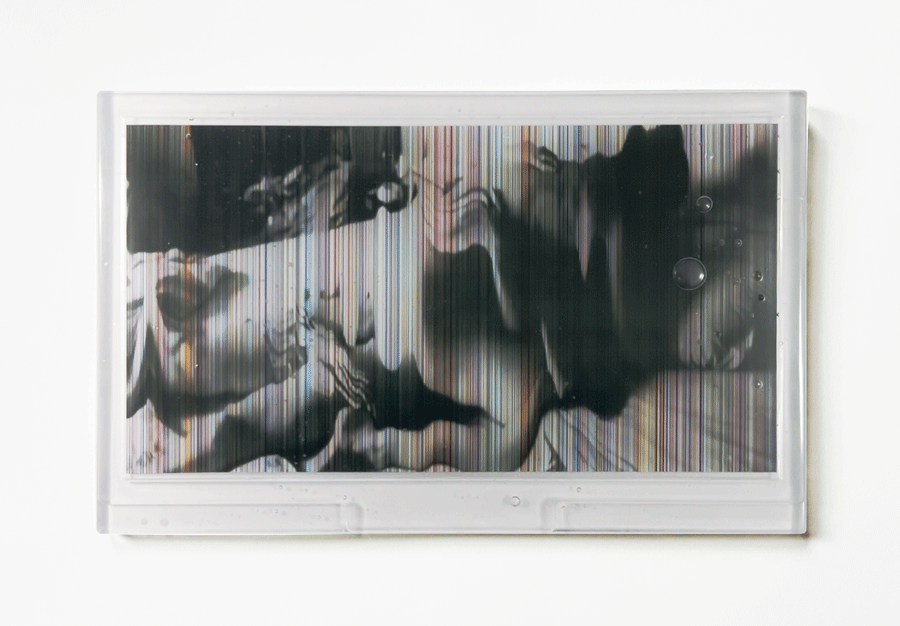
BODIES IN MOTION #05 (LOVE 3D)
2026, C-print in bio-based resin, 29,5 x 47 x 2 cm
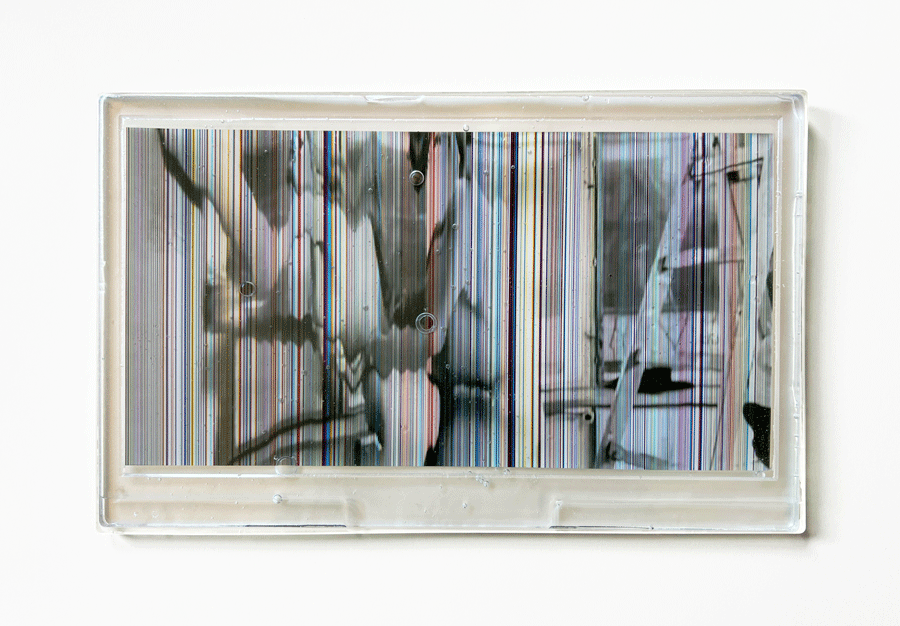
BODIES IN MOTION #06 (ALL ABOUT ANNA)
2026, C-print in bio-based resin, 29,5 x 47 x 2 cm
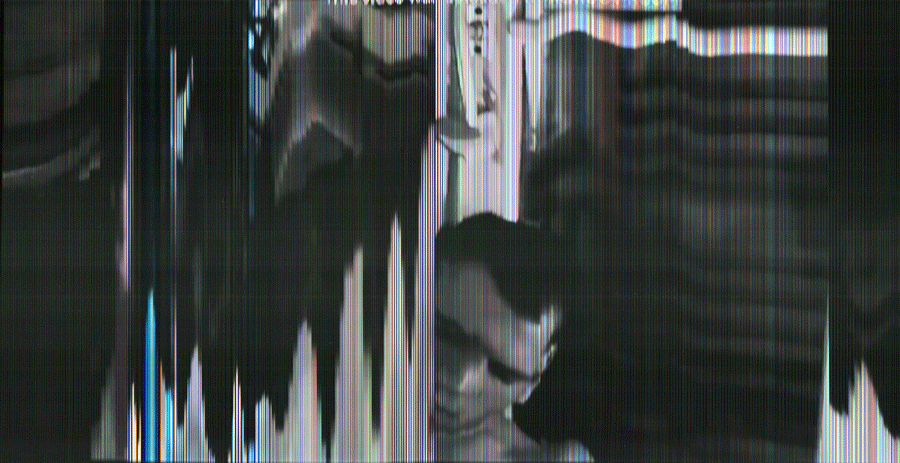
BODIES IN MOTION #07 (SEXUAL CHRONICLES OF A FRENCH FAMILY)
2026, hand-guided scan
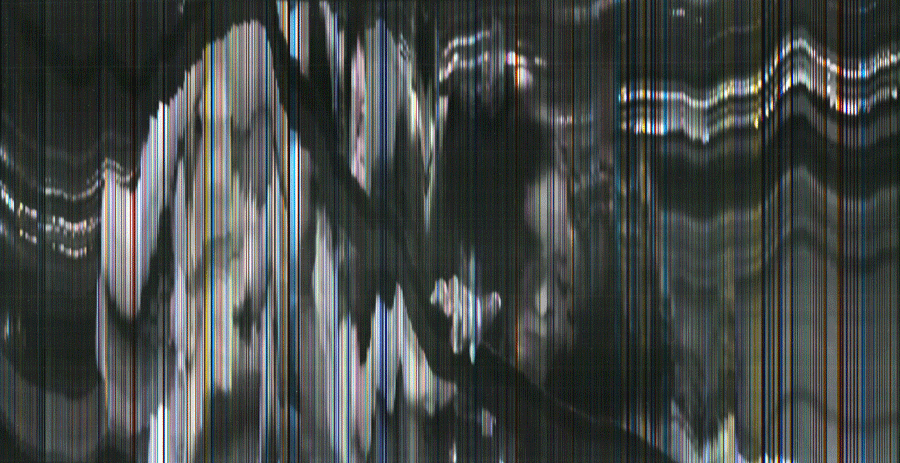
BODIES IN MOTION #08 (NOW AND LATER)
2026, hand-guided scan
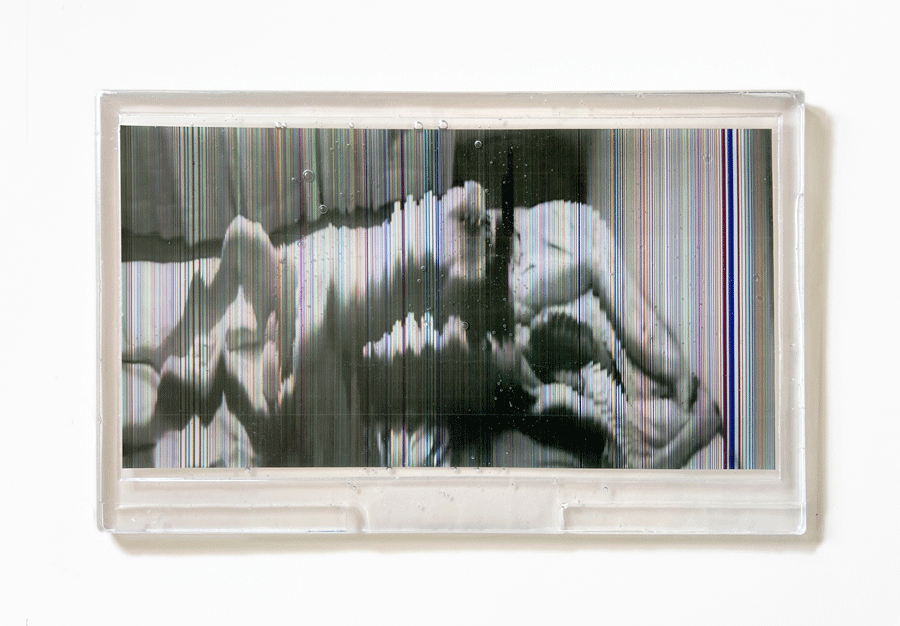
BODIES IN MOTION #09 (LAS OSCURAS PRIMAVERAS)
2026, C-print in bio-based resin, 29,5 x 47 x 2 cm
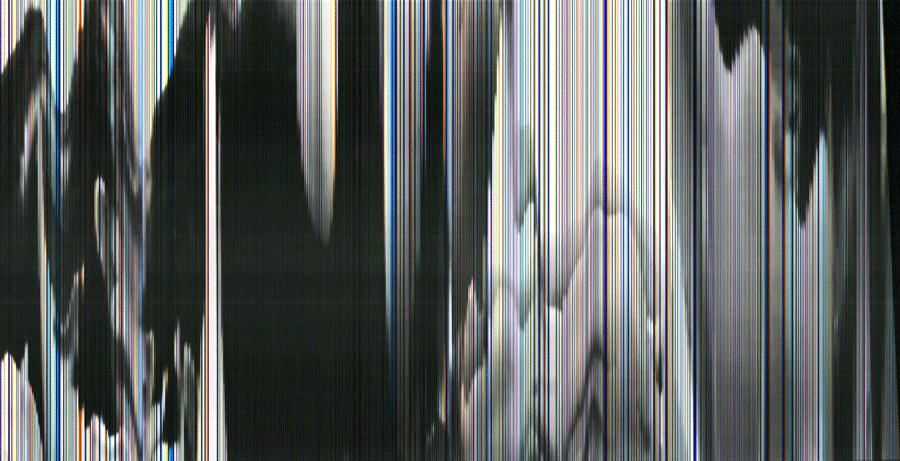
BODIES IN MOTION #10 (ART HISTORY)
2026, hand-guided scan
© Stefan Mildenberger / VG Bildkunst